Summary of HR 9173 (119th Congress) – Charitable Deductions for Digital Asset Donations Act
Purpose and intent
- The bill aims to modify the Internal Revenue Code to allow charitable deductions for donations of certain digital assets without the current appraisal requirements that apply to other assets (like publicly traded securities).
- In short, it would treat widely traded digital assets similarly to publicly traded securities for the purposes of charitable contributions, reducing or removing a hurdle for donors who contribute digital assets to qualified charities.
Key provisions and changes
Amendment to charitable deduction rules (Section 2):
- Adds an exception to the appraisal requirement in Section 170(f)(11)(A)(ii)(I) to include “widely traded digital assets,” with certain safeguards to prevent abuse.
- Effective date: Applies to taxable years beginning after December 31, 2026.
Definitions related to digital assets (Section 3):
- Creates a new subsection (p) in Section 7701 with definitions to govern digital assets for tax purposes, including:
- Digital asset: Any digital representation of value recorded on a cryptographically secured distributed ledger or similar technology.
- Traded digital asset: A digital asset that is fungible, has readily available quotations on an exchange, and meets additional criteria to ensure reliability and prevent abuse.
- Widely traded digital asset: A traded digital asset meeting criteria that include:
- Quotations available on an exchange for the preceding calendar year.
- Market capitalization above $500 million for substantially all times during that year (adjustable for inflation thereafter).
- Ownership thresholds (no more than 10% owned by the taxpayer or related persons during the year or preceding year).
- Wrapped digital asset: A digital asset that is redeemable on demand for another digital asset and recorded on a different ledger.
- Reference digital asset: The asset to which a wrapped asset is tied; provisions handle multiple wrap scenarios and re-wrappings.
- Tokenized digital asset: A digital asset where most value relates to the ledger rather than other factors (excluding qualified U.S. dollar stablecoins).
- U.S. dollar stablecoin and qualified U.S. dollar stablecoin: Definitions align with a framework tied to the GENIUS Act and related regulatory references; the Secretary can provide guidance on treating stablecoins as dollars or currency where appropriate.
Rules of construction (Section 4):
- Clarifies that the act should not be read as determining whether digital assets are securities, commodities, or other traditional classifications for purposes beyond this act.
- Prevents inference about application of other long-standing tax provisions to periods before the effective date or outside the act’s scope.
Who is affected
- Taxpayers who donate digital assets (especially those that are widely traded) to qualified charitable organizations, by allowing the charitable deduction to apply without the standard appraisal requirement, beginning with tax years after 2026.
- Charities and appraisers: Potentially reduced administrative burden for donors; taxpayers would rely on the asset’s status as a widely traded digital asset for deductible treatment.
- The Internal Revenue Service (IRS) / Treasury: Would implement definitions, ensure reliable price discovery, and supervise transitional rules, including adjustments to reflect market conditions and inflation adjustments for the $500 million threshold.
Timing and procedural notes
- Effective date: Taxable years beginning after December 31, 2026.
- Implementation mechanics: The Treasury Secretary would have authority to:
- Determine “prevent abuse” criteria related to price discovery and potential manipulation.
- Adjust criteria or substitute alternative requirements if market conditions evolve (including in response to digital asset market structure legislation).
- Publish and update lists of qualified U.S. dollar stablecoins.
Potential impact and considerations
- Could expand the pool of deductible donations by reducing appraisal barriers for certain digital asset transfers to charity.
- Introduces a framework for classifying and valuing digital assets in the charitable context, balancing accessibility with protections against abuse and price manipulation.
- Inflation-adjusted thresholds and ongoing regulatory oversight may affect which assets qualify as “widely traded” over time.
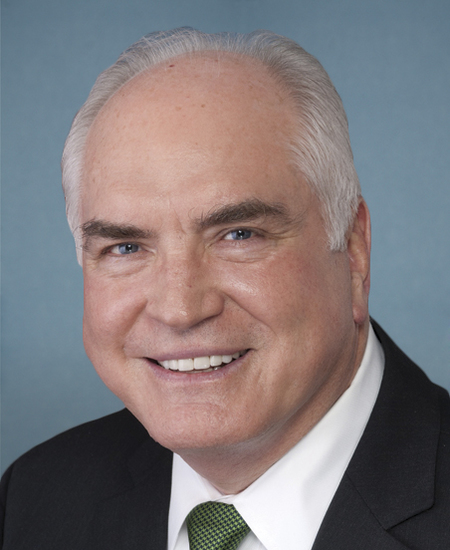
Sponsor: Rep. Mike Kelly (co-sponsor)
Note: This summary reflects the bill text as introduced and does not account for any amendments or changes that may occur during committee or floor consideration.



Start the Conversation
Be the first to share your thoughts on this petition. Your voice matters!