

CBO Scoring Accountability Act
HR 2666 mandates the CBO to improve cost estimation accuracy and transparency, helping Congress make informed budget decisions and boosting public trust in fiscal processes.
The CBO Scoring Accountability Act (HR 2666) was introduced in the House of Representatives on April 7, 2025. The bill aims to enhance the accountability and transparency of the Congressional Budget Office (CBO) in its scoring processes for legislative proposals.
The primary purpose of HR 2666 is to ensure that the CBO provides more accurate and reliable cost estimates for proposed legislation. By improving the methodology and transparency of its scoring, the bill seeks to foster greater trust in the budgetary process and enable lawmakers to make more informed decisions.
While the full text of the bill is not provided, the following key provisions are expected based on the bill's title and intent:
Enhanced Methodology: The CBO would be required to adopt more rigorous standards for its cost estimation processes, potentially including the use of updated economic models and data sources.
Transparency Requirements: The bill may mandate that the CBO publicly disclose the assumptions and methodologies used in its scoring, allowing lawmakers and the public to better understand the basis for cost estimates.
Regular Reporting: The CBO could be required to submit regular reports to Congress detailing its scoring processes and any changes made to improve accuracy.
Stakeholder Engagement: The bill might encourage or require the CBO to engage with stakeholders, including economists and policy experts, to refine its scoring practices.
The following groups would be directly impacted by the CBO Scoring Accountability Act:
Congressional Lawmakers: Members of Congress would benefit from more reliable cost estimates, aiding in budgetary decision-making and legislative planning.
CBO Staff: The bill would likely require additional training and resources for CBO staff to implement the new scoring methodologies and transparency measures.
Public and Advocacy Groups: Increased transparency in the CBO's scoring process would allow advocacy groups and the public to better understand the fiscal implications of proposed legislation.
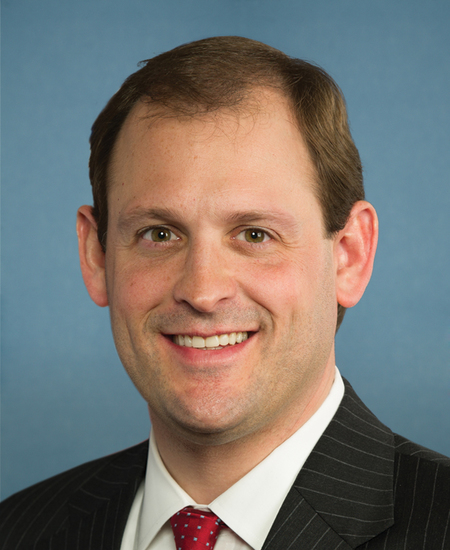
The bill is sponsored by Andy Barr and has a significant number of cosponsors, including:
The CBO Scoring Accountability Act (HR 2666) represents an effort to enhance the reliability and transparency of the CBO's cost estimates for legislative proposals. By improving these processes, the bill aims to support better-informed decision-making in Congress and foster greater public trust in the budgetary process. The bill is currently under consideration by the House Committee on the Budget.
Hi! I'm your AI assistant for HR 2666. I can help you understand its provisions, impacts, and answer any questions.
We're glad to see you!
New to WeVote? Claim your Voter Profile now!
Are you an elected rep? Claim account
Join thousands of verified voters to weigh in.
Already have an account? Log in
Are you an elected rep? Claim account
No worries! Enter your email and we'll send you reset instructions.
Remember your password? Back to Login
Your email address has not been confirmed yet. Please check your inbox or request a new confirmation link below.
Didn't receive the email?
Already confirmed? Back to Login
You need to take action to continue.
You're currently in
Joining this room will disconnect you from the current one.
The meeting has ended.