
Bill
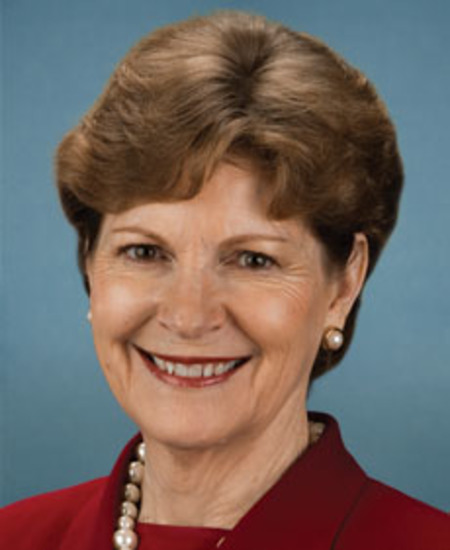
Sponsor avatar

BILL • US SENATE

S 4491

Biodefense Diplomacy Enhancement Act

119th Congress
Introduced by Jeanne Shaheen, Tim Sheehy,

Strengthens U.S. international biodefense diplomacy by coordinating foreign policy with biosafety goals and expanding global collaboration, assistance, and norms.

Introduced in Senate
0
0
Bill Summary · S 4491

Biodefense Diplomacy Enhancement Act (S 4491)

Purpose and intent

  • The Biodefense Diplomacy Enhancement Act aims to strengthen the United States’ international engagement and coordination on biodefense and public health security.
  • The bill seeks to elevate diplomatic efforts related to biosafety, biosecurity, and rapid international response to biological threats, with an emphasis on cooperation with allies and international organizations.

Key provisions and changes

  • Diplomatic Strategy for Biodefense:
    • Establishes or formalizes a U.S. framework for integrating biodefense objectives into foreign policy and diplomatic engagements.
    • Requires the development of a comprehensive biodefense diplomacy strategy that aligns with broader national security and public health goals.
  • International Collaboration and Communications:
    • Promotes enhanced information sharing and joint preparedness exercises with partner nations, regional organizations, and international bodies (e.g., WHO, and other relevant entities).
    • Encourages standardization of biosecurity norms and rapid threat communication protocols across borders.
  • Capacity Building and Assistance:
    • Authorizes targeted assistance to foreign countries to strengthen biosafety and biosecurity infrastructure, laboratory capacity, and biosurveillance systems.
    • Supports training, technical exchanges, and the deployment of experts to bolster international biodefense capabilities.
  • Policy and Oversight:
    • Requires periodic reporting to Congress on international biodefense initiatives, progress, and identified gaps.
    • May establish or empower an advisory mechanism or working group to coordinate biodefense diplomacy across U.S. agencies.
  • Risk Mitigation and Compliance:
    • Includes measures to ensure that foreign assistance and collaborations comply with U.S. laws, ethical standards, and international norms.
    • Seeks to reduce dual-use risks by promoting responsible research practices in international partnerships.
  • Funding and Authorization (if specified):
    • The bill may outline authorization levels or appropriations to support diplomatic initiatives, capacity-building programs, and cooperative activities (exact dollar figures would be specified in the text).

Who and what would be affected

  • Government and Agencies:
    • U.S. Department of State would take a leading role in implementing biodefense diplomacy initiatives.
    • Other relevant agencies (e.g., Department of Health and Human Services, Department of Defense, and USAID) could participate in coordinated international activities.
  • International Partners:
    • Allies and partner nations engaged in biosafety, biosecurity, and public health preparedness.
    • International organizations involved in global health security and biosecurity governance.
  • Domestic Impacts:
    • Enhanced international collaboration that could influence domestic biosurveillance, import/export controls, and cross-border health security measures.
    • Potentially affected stakeholders include academic and research institutions engaged in international collaborations.

Procedural and timeline aspects

  • Introduction and Referral:
    • Introduced in the Senate and referred to the Committee on Foreign Relations.
  • Legislative Process:
    • The committee would review, potentially amend, and report the bill back to the Senate.
    • Pending further action, could proceed to floor consideration, pass, or be refined through Senate debates and potential reconciliation with any companion bills or the House counterpart.
  • Calendar and Actions:
    • As of the latest action history, the bill has cleared its first two steps: introduction and read twice, then referral to the Foreign Relations Committee.
  • Sponsor Information:
    • Primary and co-sponsors include selected members, notably U.S. Senators Jeanne Shaheen and Tim Sheehy, indicating bipartisan interest.

Notes

  • The summary reflects the bill’s stated aims to enhance biodefense diplomacy and international collaboration. Specifics such as exact funding levels, defined programs, and operational timelines would be detailed in the bill’s text and any committee-reported amendments.

Hi! I'm your AI assistant for S 4491. I can help you understand its provisions, impacts, and answer any questions.

Key Provisions Impacts Timeline
Sign in to chat

Start the Conversation

Be the first to share your thoughts on this petition. Your voice matters!

Share your opinion above