Summary of SJRES 39
Bill Overview
Bill Number: SJRES 39
Title: A joint resolution providing for congressional disapproval under chapter 8 of title 5, United States Code, of the rule submitted by the Internal Revenue Service relating to "Section 45Y Clean Electricity Production Credit and Section 48E Clean Electricity Investment Credit".
Status: Introduced in Senate
Introduced Date: March 26, 2025
Classification: Resolution
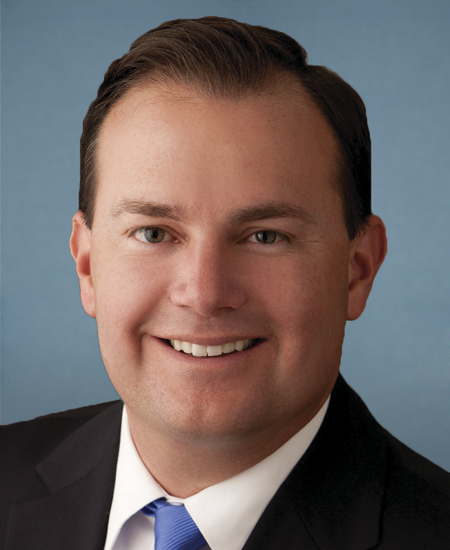
Primary Sponsor: Mike Lee
Purpose and Intent
SJRES 39 aims to formally disapprove a rule established by the Internal Revenue Service (IRS) concerning the Section 45Y Clean Electricity Production Credit and the Section 48E Clean Electricity Investment Credit. The resolution asserts that the IRS rule, published in the Federal Register on January 15, 2025, should have no legal effect.
Key Provisions
- Disapproval of IRS Rule: The resolution specifically targets the IRS rule related to the clean electricity credits, indicating that Congress does not support the implementation of this rule.
- No Force or Effect: If passed, the resolution would ensure that the aforementioned IRS rule would not be enforceable.
Impact
- Affected Parties: The resolution primarily impacts stakeholders in the clean energy sector, including businesses and investors who might benefit from the tax credits established under Sections 45Y and 48E. By disapproving the IRS rule, the resolution could limit the financial incentives available for clean electricity production and investment.
- Regulatory Environment: The disapproval could lead to uncertainty in the regulatory framework governing clean energy credits, potentially affecting future investments and projects in the renewable energy sector.
Legislative Process
- Introduced in Senate: The resolution was introduced and read twice on March 26, 2025, and subsequently referred to the Committee on Finance for further consideration.
Conclusion
SJRES 39 represents a significant legislative effort to challenge the IRS's approach to clean electricity incentives. By disapproving the rule, Congress seeks to influence the regulatory landscape surrounding clean energy production and investment, potentially impacting the growth and development of the renewable energy sector in the United States.