

WeVote

Bill

Bill

S 3191

Stop Ballroom Bribery Act

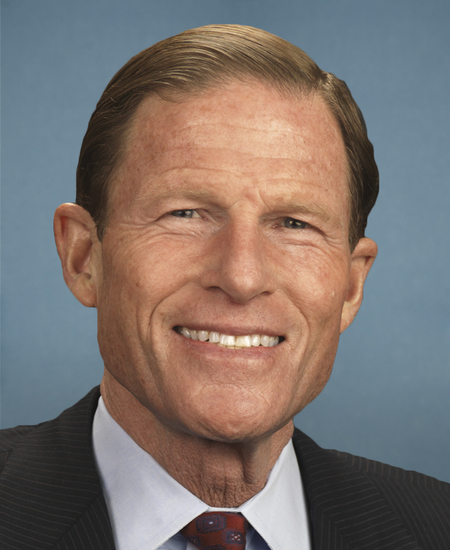
119th Congress Introduced by Richard Blumenthal and 5 co-sponsors

Proposes criminal penalties and anti-corruption measures targeting bribery schemes involving diplomatic events and access to U.S. officials.

Introduced in Senate
0
WeVote Research Nonpartisan
Bill Summary · S 3191

Legislative bill overview

S 3191, the Stop Ballroom Bribery Act, addresses corruption involving diplomatic events and foreign dignitaries. The bill appears designed to close legal loopholes that allow wealthy individuals or foreign entities to gain improper access or influence through payments related to diplomatic functions, state dinners, or similar official events.

Why is this important

Diplomatic events have historically been venues where access to high-ranking U.S. officials can be purchased or leveraged for political advantage. Strengthening anti-corruption protections around these events could prevent foreign interference campaigns and reduce opportunities for bribery schemes targeting government decision-makers.

Potential points of contention

  • Definition clarity: The bill's specific definitions of prohibited conduct around "ballroom" events and what constitutes impermissible payments may be vague, potentially creating enforcement challenges or unintended restrictions on legitimate diplomatic fundraising
  • Private event scope: Questions about whether restrictions apply only to official government events or extend to private fundraisers involving officials, which could raise First Amendment and political activity concerns
  • Implementation burden: Determining intent and distinguishing between appropriate diplomatic hospitality expenses and illegal influence-peddling may prove administratively complex

Compiled from official sources — confirm details with the bill’s official record.

Sign in to ask a question.