

Bill

BILL • US SENATE

S 4361

A bill to modify the reasonable requirements that may be imposed on pet owners living in public housing, and for other purposes.

119th Congress
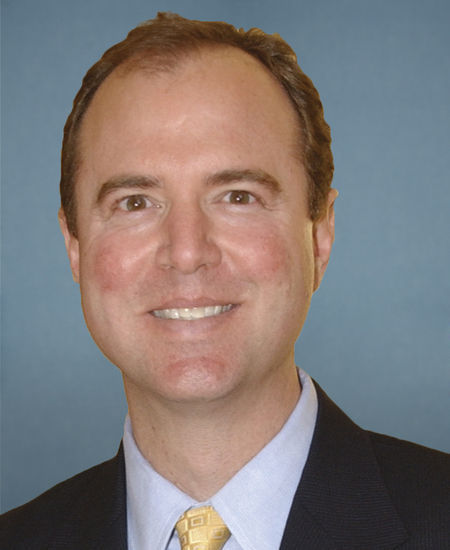
Introduced by Adam Schiff,

The bill would redefine what counts as a reasonable pet-ownership rule for public housing, potentially easing restrictions and standardizing protections for tenants with pets.

Introduced in Senate
0
0
Bill Summary • S 4361

Summary of Bill: S. 4361 (119th Congress) – "A bill to modify the reasonable requirements that may be imposed on pet owners living in public housing, and for other purposes"

Note: This summary reflects the information provided in the bill’s title and available action history. If the full text later clarifies additional provisions, those details would refine the summary below.

Key purpose and intent

  • The bill aims to modify the standards and requirements that public housing authorities (PHAs) may impose on residents who own or care for pets.
  • Its overarching goal is to set or adjust what counts as “reasonable” pet ownership requirements for tenants in public housing, potentially limiting overly stringent restrictions or expanding protections for tenants with pets.
  • The bill is introduced in the Senate and, as of the latest action, has a co-sponsor (Representative/Senator listed as Adam Schiff, noted here as co-sponsor in the sponsor list). The action history shows it was read twice and referred to the Committee on Banking, Housing, and Urban Affairs.

Key provisions and changes (as implied by the title)

  • Modification of “reasonable requirements”: The bill would alter the standard by which PHAs assess or impose pet-related rules on tenants. This could involve:
    • Defining what is considered a reasonable restriction (e.g., number of pets, type of pets, pet deposits, insurance, or pet-related behavior rules).
    • Limiting PHAs’ ability to prohibit certain kinds of pets (e.g., non-traditional pets) or to impose excessive fees or deposits.
    • Establishing timelines or processes for PHAs to approve pet residency or address pet-related disputes.
  • Additional provisions “and for other purposes”: The phrase suggests there may be ancillary changes related to housing policy, tenant rights, or enforcement mechanisms beyond pet ownership rules. The exact scope would depend on the full text of the bill.

Who or what would be affected

  • Public housing tenants and residents who own or wish to own pets (dogs, cats, or other permitted companions) in PHAs’ housing.
  • Public housing authorities and their existing pet-ownership policies, including rules about pet deposits, pet fees, breed/size restrictions, and pet conduct requirements.
  • Potentially housing program administrators, fair housing/enforcement offices, and agencies responsible for overseeing public housing regulations.

Significant procedural and timeline aspects

  • Introduced in the Senate and assigned to the Committee on Banking, Housing, and Urban Affairs.
  • Action history (as of current information):
    • 2026-04-21: Introduced in Senate.
    • 2026-04-21: Read twice and referred to the Committee on Banking, Housing, and Urban Affairs.
  • A co-sponsor is listed: Adam Schiff.
  • No further dates (e.g., markup, floor amendments, or passage) are provided in the current record. The bill would proceed through committee consideration, potential amendments, and, if advanced, floor votes in the Senate and House (if applicable) before any final enactment.

Practical considerations and potential impacts

  • Tenant protections: If enacted, tenants in public housing could experience clearer or more lenient standards for pet ownership, reducing the likelihood of arbitrary or overly restrictive rules.
  • Administrative burden: PHAs may need to adjust policies, forms, and enforcement procedures to align with the new “reasonable requirements” standards.
  • Compliance and enforcement: The bill could establish enforcement mechanisms, complaint processes, or timelines for addressing disputes related to pet ownership in public housing.

If you have access to the full text, I can provide a more detailed, line-by-line analysis of specific provisions, definitions, thresholds (e.g., number of pets, deposits), and any related enforcement or funding implications.

Hi! I'm your AI assistant for S 4361. I can help you understand its provisions, impacts, and answer any questions.

Key Provisions Impacts Timeline
Sign in to chat