

Necessary Environmental Exemptions for Defense Act
It would exempt the Department of Defense from several environmental laws to speed up readiness and counter threats, prioritizing national defense.
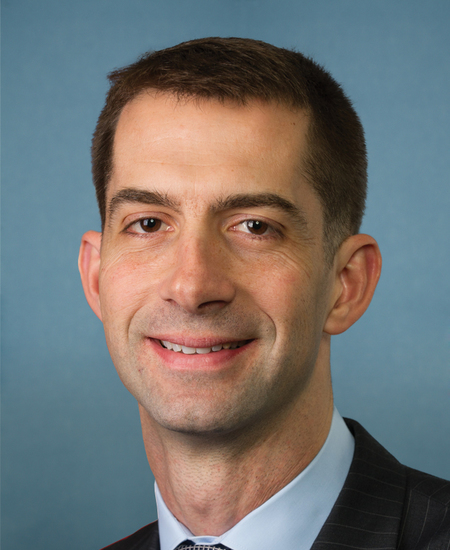
The Necessary Environmental Exemptions for Defense Act (S.2226) was introduced in the U.S. Senate on July 9, 2025, by Senator Tom Cotton. The bill proposes exempting the Department of Defense (DoD) from certain environmental protection laws, including the National Environmental Policy Act, the Endangered Species Act, the Marine Mammal Protection Act, and the Federal Water Pollution Control Act. These exemptions would apply to activities directly related to countering the threat of the Chinese Communist Party, such as military readiness, training, operations, and the development of defense technologies. The bill emphasizes that national defense takes precedence over environmental regulations in these contexts. (congress.gov)
This legislation aims to enhance the agility and efficiency of the DoD by reducing bureaucratic delays associated with environmental compliance. Proponents argue that streamlining these processes is crucial for maintaining military readiness and effectively addressing national security threats, particularly from adversaries like the Chinese Communist Party.
Environmental Impact: Exempting the DoD from environmental regulations could lead to increased environmental degradation, affecting ecosystems and public health.
Legal Challenges: The bill may face legal opposition from environmental groups and other stakeholders concerned about the erosion of environmental protections.
Precedent for Exemptions: Granting such exemptions could set a precedent for other sectors to seek similar relief from environmental laws, potentially undermining environmental safeguards.
Public Perception: The bill might be viewed as prioritizing military interests over environmental and public health concerns, leading to public criticism.
Compiled from official sources — confirm details with the bill’s official record.
Sign in to ask a question.