Legislative bill overview
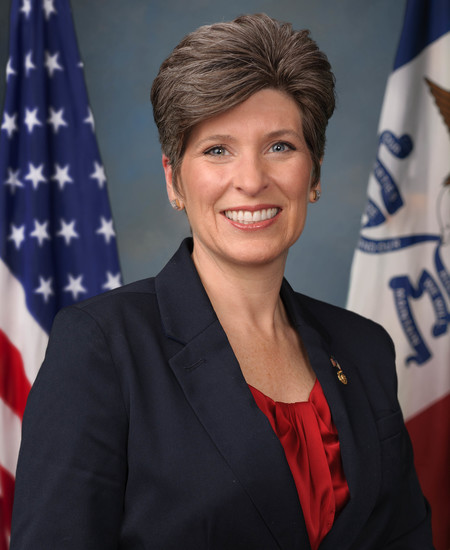
S 3583 establishes a pilot program allowing states to consolidate federal antipoverty funding into "Upward Mobility Grants" that states can allocate flexibly across various poverty-reduction initiatives. The bill, sponsored by Republican senators Ernst, Husted, and Sheehy, is currently in the Senate Finance Committee and represents a federalism approach to welfare policy.
Why is this important
This proposal could significantly reshape how federal antipoverty dollars flow to states—potentially reducing federal mandates while increasing state discretion. The outcome will affect millions of low-income Americans depending on whether consolidated funding expands resources and effectiveness or reduces targeted protections in established programs.
Potential points of contention
- Consolidation concerns: Merging separate federal programs (food assistance, housing, healthcare, etc.) into block grants risks eliminating categorical protections and allowing states to reduce funding for unpopular programs in favor of others
- Accountability and oversight: Broader state flexibility typically means less federal tracking of how funds are spent and outcomes for beneficiaries, raising questions about program effectiveness and equity across states
- Vulnerable populations: States with limited resources or political will may reduce services to certain groups (elderly, disabled, children), as consolidated grants lack existing program-specific safeguards