BILL • US SENATE
Clean Shipping Act of 2025
119th Congress
Introduced by
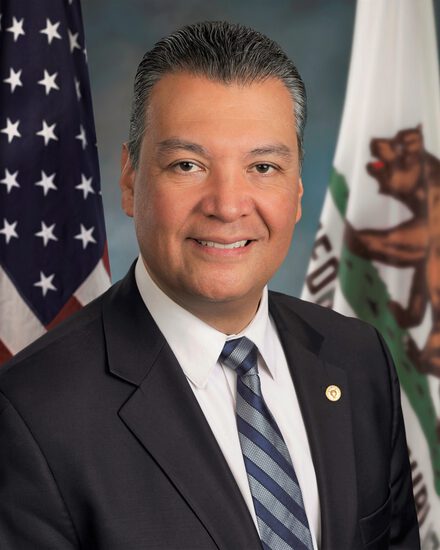
Alex Padilla,
Introduced in Senate
BILL • US SENATE
Bill S 2261 aims to amend the Clean Air Act by establishing standards that limit the carbon intensity of fuel used by certain vessels. This legislation targets the shipping sector, which is a significant source of carbon emissions. The bill's goal is to reduce greenhouse gas emissions from maritime fuel use by enforcing stricter controls on the carbon content of the fuels used by ships, promoting cleaner alternatives and supporting environmental sustainability efforts.
Shipping contributes notably to air pollution and greenhouse gas emissions globally. By setting limits on fuel carbon intensity, this bill seeks to incentivize the maritime industry to adopt cleaner fuels and technologies, thereby reducing environmental and public health impacts associated with carbon emissions. This aligns with broader climate change mitigation goals and supports the push toward net-zero greenhouse gas emissions in the transportation sectors.
Hi! I'm your AI assistant for S 2261. I can help you understand its provisions, impacts, and answer any questions.

We're glad to see you!
New to WeVote? Claim your Voter Profile now!
Are you an elected rep? Claim account
Join thousands of verified voters to weigh in.
Already have an account? Log in
Are you an elected rep? Claim account
No worries! Enter your email and we'll send you reset instructions.
Remember your password? Back to Login
Your email address has not been confirmed yet. Please check your inbox or request a new confirmation link below.
Didn't receive the email?
Already confirmed? Back to Login
You need to take action to continue.
You're currently in
Joining this room will disconnect you from the current one.
The meeting has ended.