

WeVote

Bill

Bill

LB 95

Provide for a pilot program under the federal Child Care Subsidy program

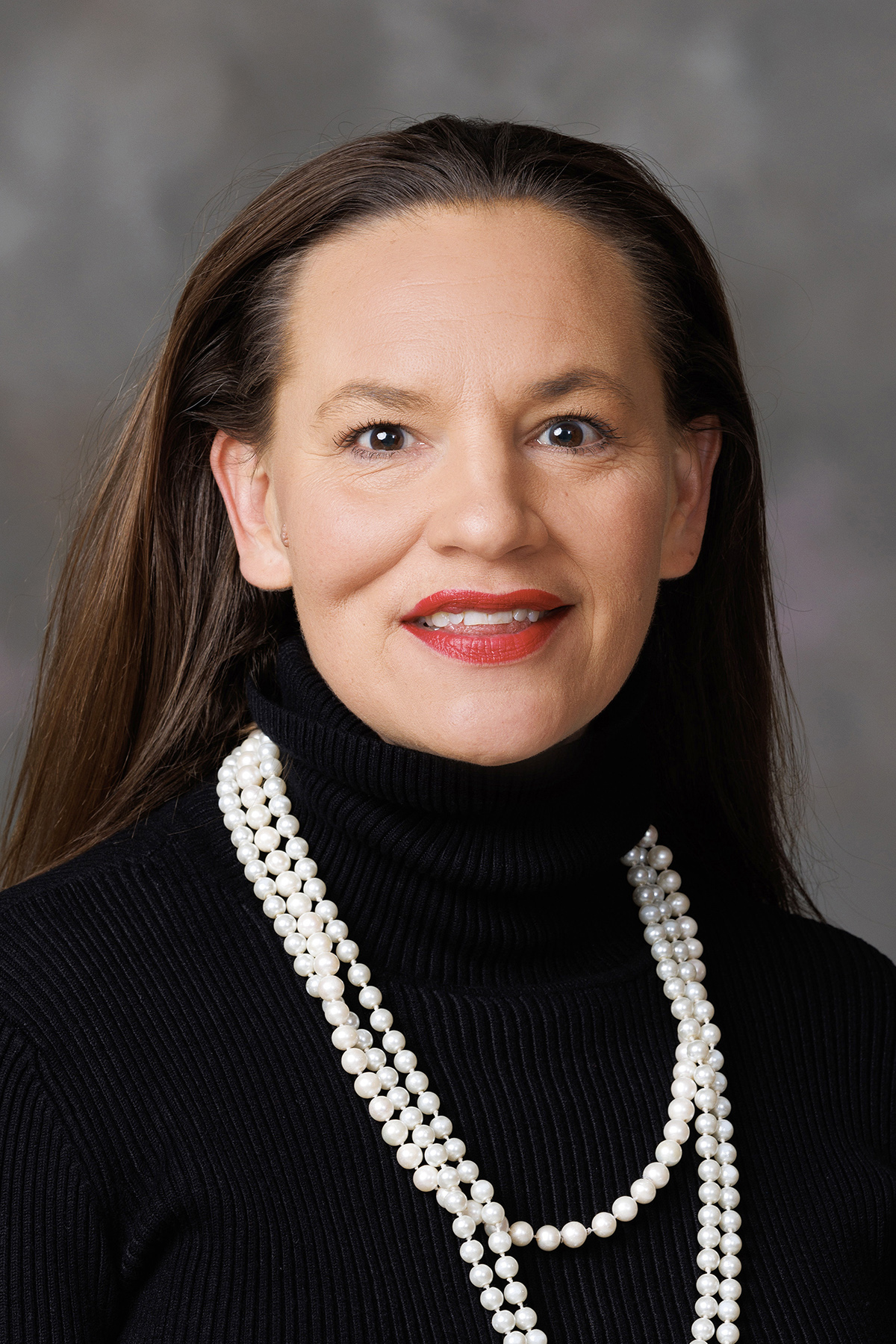
109th Legislature (2025-2026) Introduced by Danielle Conrad and 1 co-sponsor

Creates a 3-year pilot expanding Child Care Subsidy eligibility to Nebraska early childhood workers with 85% of state median income, 20+ hrs/week, with annual reporting.

Title printed. Carryover bill
0
WeVote Research Nonpartisan
Bill Summary · LB 95

Summary of Nebraska LB 95 (2025) – Pilot Program under the Federal Child Care Subsidy Program

Overview

  • Bill number: LB 95
  • Title: Provide for a pilot program under the federal Child Care Subsidy program
  • Introduced: January 10, 2025
  • Committee: Health and Human Services
  • Hearing: February 12, 2025
  • Primary sponsor: Senator John Fredrickson
  • Purpose: Create a three-year pilot to expand categorical eligibility for the federal Child Care Subsidy program to more child care employees, with the goal of attracting and retaining early childhood professionals in Nebraska’s child care sector.

What the bill does

  • Amends statute to establish a targeted pilot program within the Nebraska Child Care Subsidy framework.
  • The pilot runs from October 1, 2025, through September 30, 2028.
  • Aims to provide child care assistance to the child care workforce, in part to address staffing shortages in the industry.

Key provisions and changes

Pilot program details

  • Eligibility for the pilot:
    • Household income: eligible if income is at or below 85% of the state median income for a household of the same size (per U.S. Census data).
    • Workforce requirement: at least one applicant or household member must be listed in the Nebraska Early Childhood Professional Registry and must work a minimum of 20 hours per week in one of the following roles:
    • Self-employed at a licensed child care program
    • Employed at a licensed child care program
    • Employed at a federal Head Start program
    • Employed at an Early Head Start program
    • Non-income eligibility requirements of the federal Child Care Subsidy program must be met.
  • Benefits:
    • Provides child care assistance to the household through the pilot program, with eligibility and cost-sharing consistent with the federal program (i.e., child care assistance with the state sharing costs, and an annualized assessment framework for costs).
    • Eligible households enrolled in the pilot remain eligible for twelve continuous months, contingent on maintaining the required employment and non-income eligibility conditions.
  • Special provisions related to the pilot:
    • If an eligible household member is employed by a licensed provider, the household may still receive child care assistance for a child in a program other than the household member’s own program, under certain conditions.
    • Provisions exist to accommodate primary caregiving duties and reasonable accommodations in certain cases.

Interaction with existing program rules

  • The bill references ongoing eligibility rules, including:
    • A 10% earned income disregard after twelve months on the program (and at each subsequent redetermination).
    • Transitional child care assistance for families whose income exceeds the standard eligibility limits but remains below specified thresholds (up to certain income caps and subject to cost-sharing).
  • The pilot program is integrated with the federal Child Care Subsidy program rules and the state’s existing social services framework.

Reporting and accountability

  • The Department of Health and Human Services must submit an annual report to the Legislature on December 1 of each year from December 1, 2026, through December 1, 2028.
  • Report content to include:
    • Monthly enrollment numbers by county and by type of employment described in the bill.
    • Totals of enrolled applicants/household members with different prior employment durations in the child care industry.
    • Program expenditures, including aid disbursed each month and average monthly household cost.

Who is affected

  • Child care workers and professionals who are part of the Nebraska Early Childhood Professional Registry.
  • Households with children receiving or seeking child care assistance through the federal Child Care Subsidy program.
  • Licensed child care providers and employers in Nebraska, particularly those employing individuals within the eligible workforce categories.
  • The Department of Health and Human Services, which administers the program and the pilot.

Timeline and procedural notes

  • Status: Notice of hearing set for February 12, 2025.
  • Pilot start: October 1, 2025.
  • Pilot end: September 30, 2028.
  • Reporting: Annual Legislature reports beginning December 1, 2026, through December 1, 2028.
  • Legislative language includes an amendment to Section 68-1206 and repeals the original language, implementing the pilot within existing statutory authority.

Bottom line

LB 95 seeks to address child care workforce shortages by creating a targeted, time-limited pilot that expands categorical eligibility for the federal Child Care Subsidy to eligible child care professionals and their households. It emphasizes workforce eligibility (registry participation and 20 hours/week of work), ties benefits to income thresholds, and imposes annual reporting to track participation, employment types, and program costs.

Compiled from official sources — confirm details with the bill’s official record.

Sign in to ask a question.