Summary of HR 8787 (119th Congress)
Purpose and intent
HR 8787 seeks to prohibit the Secretary of Defense from entering into contracts with retailers that use certain payment processing equipment, systems, or services identified as “covered” by the bill. The core aim is to limit or condition Defense Department contracting with retailers that rely on specified payment processing infrastructure, reflecting concerns about security or other policy considerations tied to those payment systems.
Key provisions and changes
- Prohibition on contracting: The bill would bar the Secretary of Defense from contracting with retailers that utilize covered payment processing equipment, systems, or services. The exact scope of which entities qualify as “retailers” and which payment processing components are “covered” would be defined in the statute or accompanying rules, if enacted.
- Scope of applicability: The restriction applies specifically to contracts managed by the Department of Defense. It does not appear to extend to other federal agencies unless separately stated.
- Implementation details: The bill would necessitate guidance or regulations to determine compliance, identify covered payment processors, and establish processes for excluding non-compliant retailers from DoD contracting opportunities.
- Enforcement and consequences: The measure would outline penalties or remedy mechanisms for non-compliance, which could include disqualification from DoD solicitations or contracts, potential waivers, or transition provisions to allow affected retailers time to adjust.
Who or what would be affected
- Retailers and vendors that provide payment processing equipment, systems, or services to the private sector and that are used by retailers in transactions could be impacted if their technology falls under the bill’s definition of “covered.”
- DoD contracting offices and personnel would be responsible for ensuring compliance, evaluating bids, and enforcing the prohibition during procurement.
- Consumers and merchants using affected payment technologies could experience shifts in retailer payment processing options if non-compliant retailers are restricted from DoD contracts and if they compete for DoD-favored customers.
Procedural and timeline aspects
- Introduction and referral: The bill was introduced in the House and referred to the House Committee on Armed Services on May 13, 2026.
- Status and progression: As of the provided information, the bill has been referred to the committee for consideration. No further action (e.g., passage, amendments) is listed in the record.
- Potential timeline implications: If advanced, the committee could draft a report, propose amendments, and move to a floor vote. Any final enactment would require passage by both chambers and signature or veto resolution by the President.
Additional context
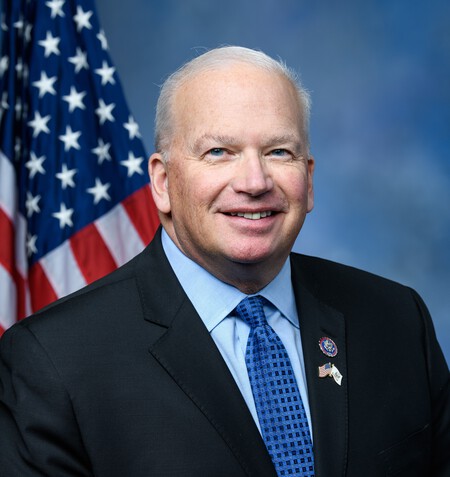
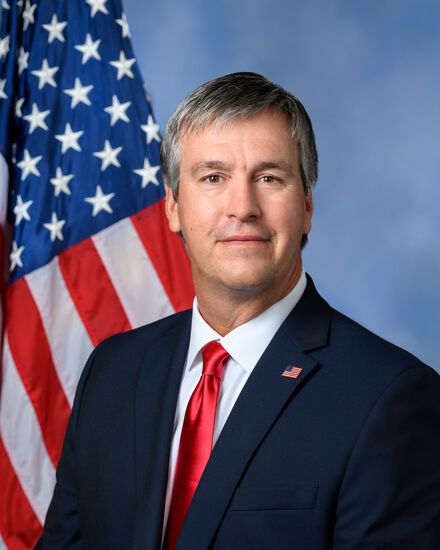
- The bill lists a group of initial co-sponsors (Keith Self, Scott Fitzgerald, Barry Moore, Ben Cline, John Moolenaar, Eli Crane), indicating bipartisan or cross-aisle interest among its sponsors.
- The exact statutory definitions of “covered payment processing equipment, systems, or services,” as well as the process for identifying compliant versus non-compliant retailers, would be critical to understanding the bill’s practical impact and transition requirements.
If you’d like, I can adjust the summary once the bill’s text is available to extract precise definitions, exceptions, and enforcement mechanisms.







Start the Conversation
Be the first to share your thoughts on this petition. Your voice matters!